
NPA & Liberia's economy
Liberia's ports are national economic infrastructure.
Liberia's ports connect businesses, industries and communities to regional and international markets. Through infrastructure, maritime services and trade facilitation, the National Port Authority supports the movement of essential imports, exports and investment across the national economy.
National port networkFreeport of Monrovia · Buchanan · Greenville · Harper
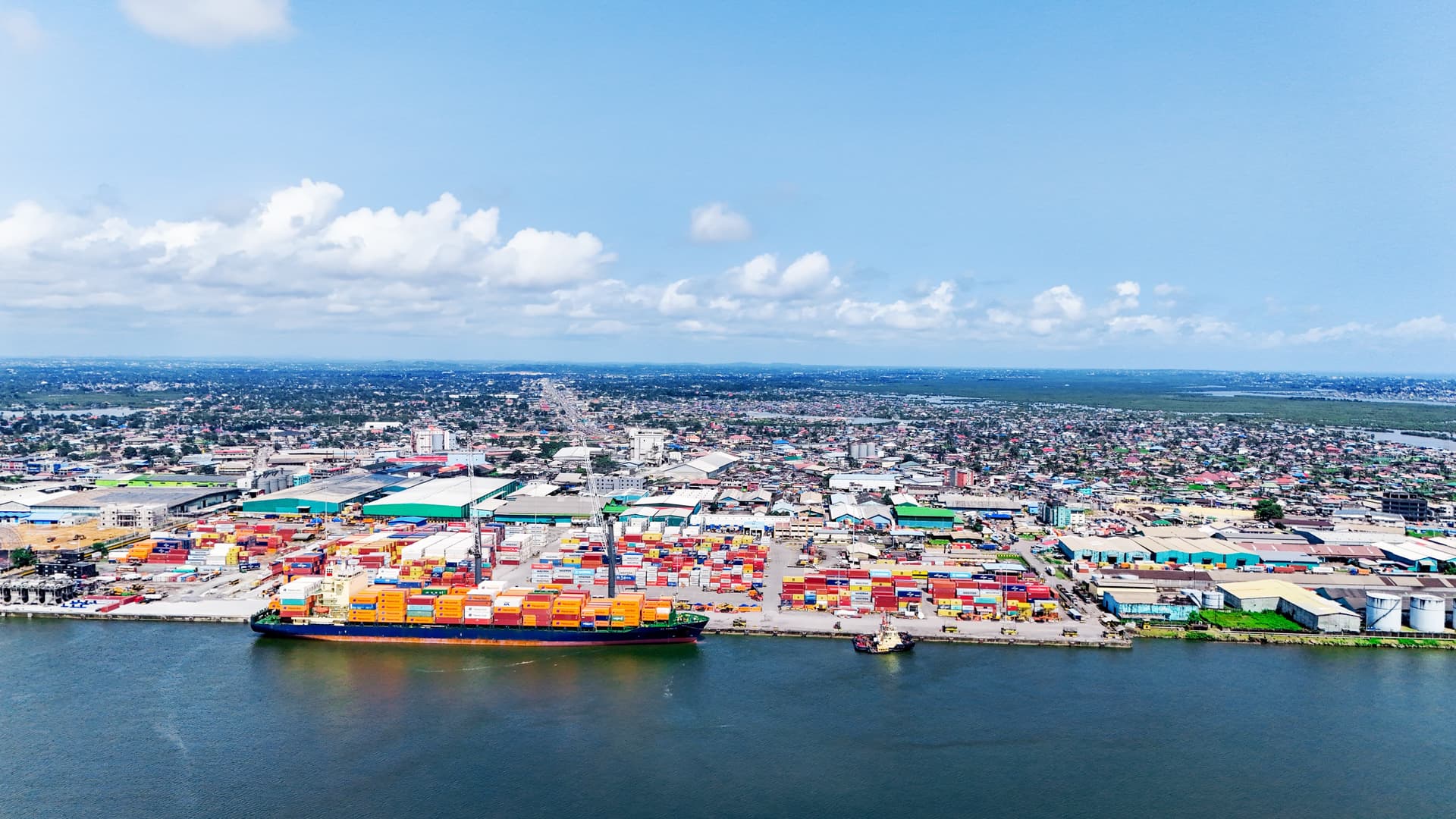
Latest published NPA activity
The national port system in numbers
2026 reporting-year indicators from NPA's published port-statistics dataset.
These are operational activity indicators, not estimates of GDP, employment or total economic value. NPA publishes broader impact figures only when an authoritative source is available.
View source statisticsEconomic infrastructure
The port economy reaches far beyond the waterfront.
A port is not an isolated facility. Every ship call connects a chain of transport, customs, warehousing, trade, industry and services. When that system works efficiently, businesses can plan with greater certainty, goods move more reliably and Liberia becomes more competitive as a place to trade and invest.
NPA's role is to steward the port infrastructure at the centre of that system while working with operators, public institutions and commercial partners to strengthen safety, capacity and service delivery.
Connectivity
Linking Liberia's economy to shipping routes, markets and supply chains.
Competitiveness
Supporting reliable cargo movement and a stronger environment for trade.
Productive capacity
Enabling investment, industry, exports, logistics and local enterprise.
Economic contribution
Six channels through which ports support national growth.
Port performance shapes the cost and reliability of trade, the competitiveness of productive sectors and the confidence of businesses that depend on maritime access.
Trade & supply chains
Liberia's ports provide the maritime gateway through which essential imports, commercial cargo and export commodities move. Reliable port access reduces friction in supply chains and connects Liberian businesses to regional and global markets.
Infrastructure & capacity
Berths, harbour infrastructure, cargo-handling systems, storage, equipment and digital services determine how efficiently trade can move. Investment in port capacity strengthens the physical platform on which commerce and industry depend.
Safe & efficient operations
Marine coordination, vessel handling, port security, inspections and internationally aligned operating standards help protect people, cargo and infrastructure while improving the reliability of port calls and cargo movement.
Jobs, skills & local enterprise
Port activity supports employment within NPA and across shipping agencies, trucking, warehousing, freight forwarding, security, maintenance, contracting and other services that form Liberia's wider logistics economy.
Investment, industry & connectivity
Competitive ports improve the conditions for industrial investment, mineral and agricultural exports, manufacturing, productive corridors and regional trade. Port development therefore contributes to economic opportunity well beyond the waterfront.
Public value & national revenue
Port activity supports customs and trade processes, commercial activity, concession arrangements and port charges that contribute to the wider public economy. Where financial figures are published, official NPA and Government of Liberia releases remain the authoritative source.
Beyond the port gates
A vessel call activates a wider economic chain.
Port activity continues through shipping, customs, transport, warehousing, wholesale and retail trade, production and services across the country. The value of a port is therefore measured not only at the quay, but by the economic activity it enables beyond it.
Port & marine operations
Vessels berth, cargo is handled and essential port services keep maritime trade moving safely and predictably.
Shipping & customs
Carriers, agents and public institutions coordinate the movement and clearance of goods entering and leaving Liberia.
Transport & logistics
Truckers, freight forwarders, warehouses and logistics providers connect the waterfront with markets and production centres.
Commerce & industry
Importers, exporters, manufacturers, retailers and productive sectors depend on reliable maritime supply chains to operate and grow.
Jobs & communities
Trade activity supports enterprise, livelihoods, access to goods and economic opportunity beyond the port gates.
National port network
Four gateways. Complementary economic roles.
Liberia's ports serve different geographic and commercial needs while operating as one national maritime system.
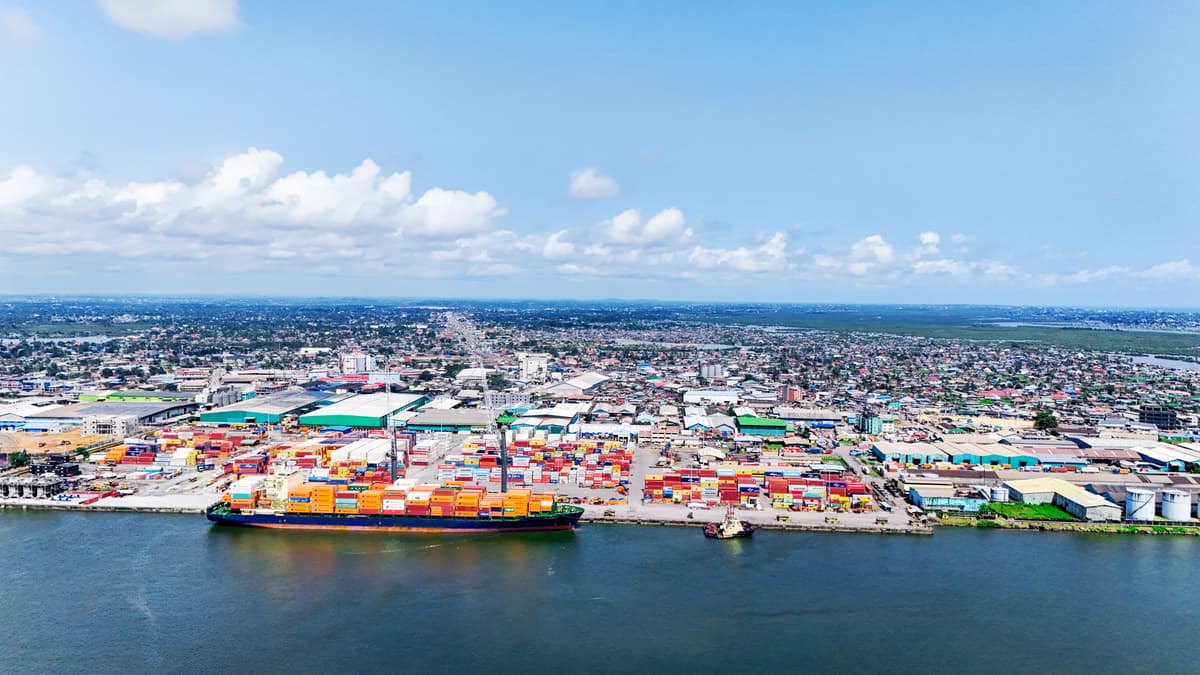
Montserrado CountyLandlord port; protected harbor
Freeport of Monrovia
Primary commercial gateway
View port profile ↗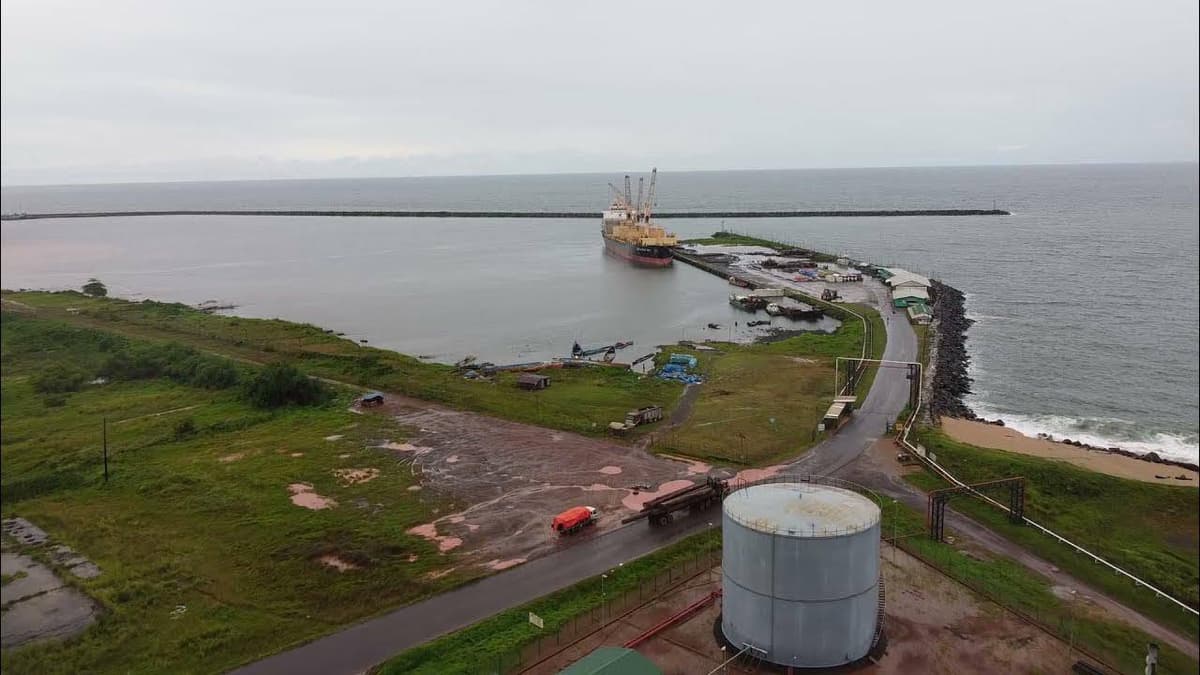
Grand Bassa CountyDeep-water industrial port
Port of Buchanan
Bulk, industrial and export gateway
View port profile ↗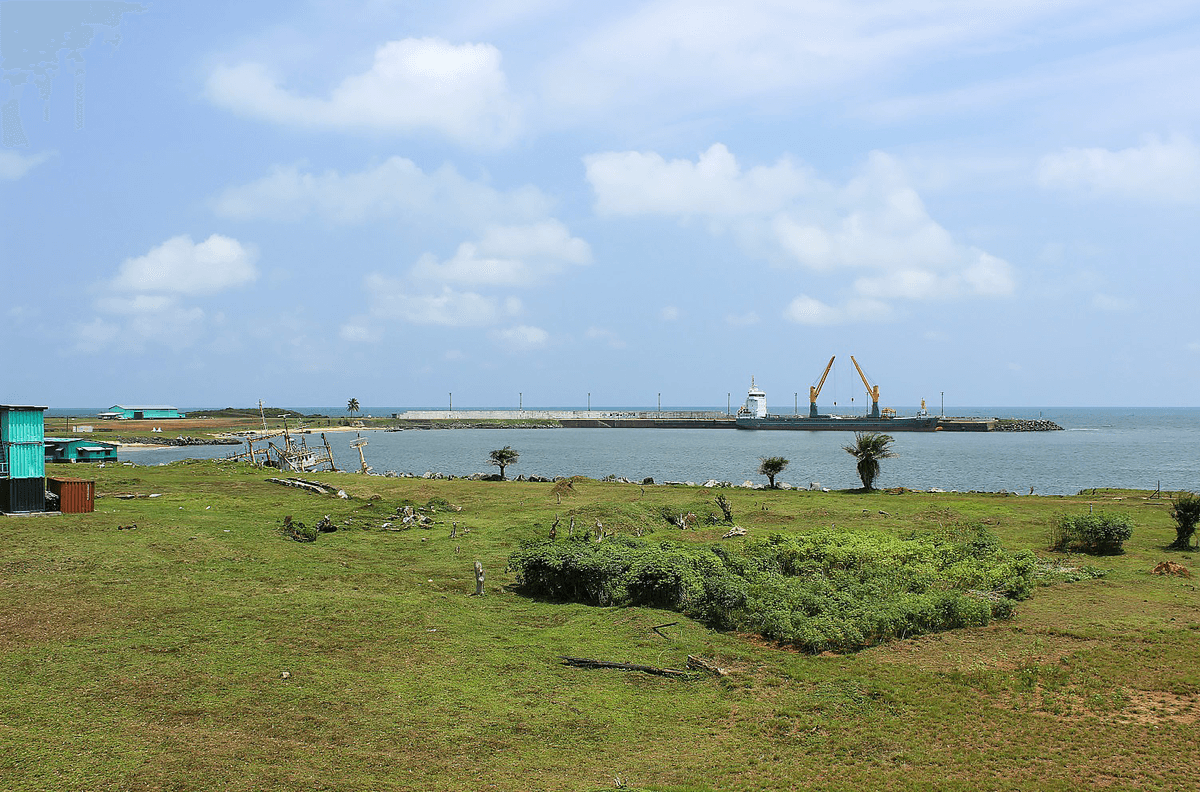
Sinoe CountyCoastal harbor
Port of Greenville
Southeastern regional and timber gateway
View port profile ↗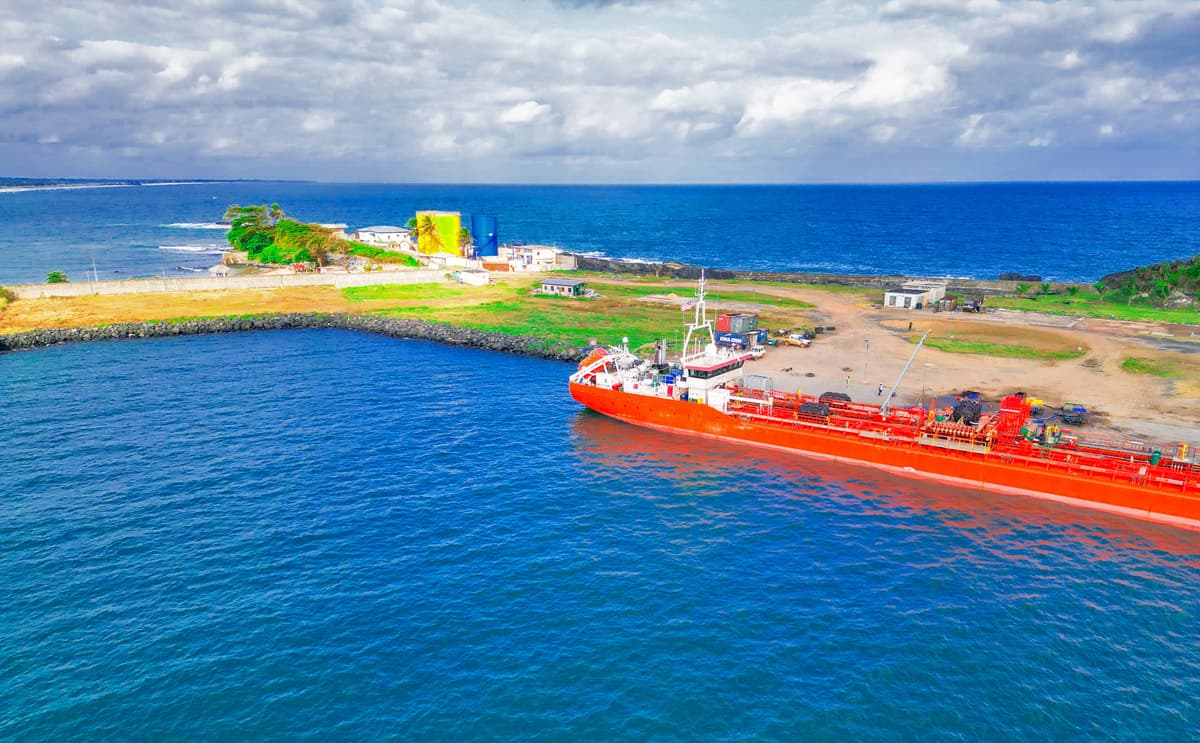
Maryland CountyCoastal port
Port of Harper
Far-southeastern and cross-border gateway
View port profile ↗Investment & future growth
Building port capacity for Liberia's next phase of trade.
Strengthening Liberia's port system requires sustained investment in infrastructure, technology, safety, operational capacity and regional connectivity. NPA's development programme is intended to improve the reliability of today's services while preparing the national port network for future trade and industrial demand.
InfrastructureDigital systemsSafety & resilienceTrade connectivity
National port network
Four ports. One connected maritime system.
Explore Liberia’s ports from Monrovia to the southeast. Select a ship marker to view key port information and continue to the full port profile.
4 portsAtlantic coastNational Port Authority
Loading Liberia’s port network…